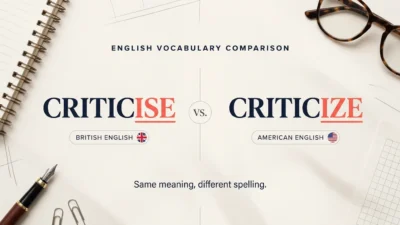
confusing words and ideoms8 Min Read Adam AdamonOctober 28, 2026 Criticise vs. Criticize: Which Spelling Is Actually Correct? Have you ever wondered whether to write “criticise” or “criticize”? Both spellings are correct, and both have the same meaning. The difference… Discover More
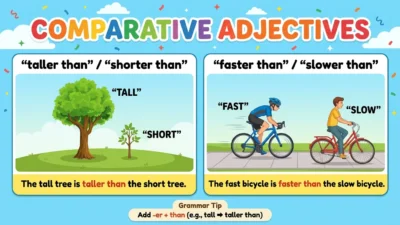
confusing words and ideoms10 Min Read Lucas LukeonOctober 28, 2026 Comparative Adjectives: Definition, Rules, Examples and Mistakes Comparative adjectives are an essential part of English grammar because they help us compare two people, places, things, or situations. Words… Discover More
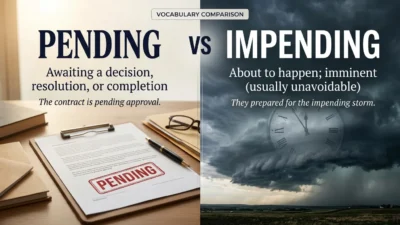
confusing words and ideoms8 Min Read Adam AdamonOctober 28, 2026 Pending vs. Impending: Meaning, Differences and Clear Examples Do you use “pending” or “impending” when talking about something that has not happened yet? Although these two words look similar and can both… Discover More
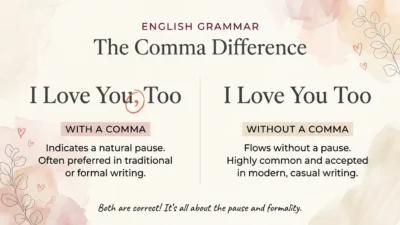
confusing words and ideoms8 Min Read Lucas LukeonOctober 28, 2026 “I Love You Too” Comma Rules: Where Does the Comma Go? Knowing where to place a comma in “I love you too” can make your writing clearer and help you express affection naturally. Should you write “I… Discover More
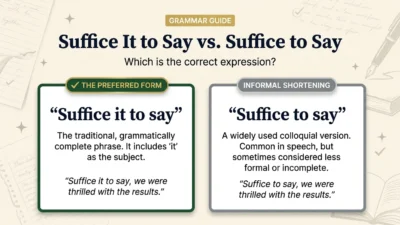
confusing words and ideoms8 Min Read Charles KevinonOctober 28, 2026 Suffice It to Say vs. Suffice to Say: Which Expression Is Correct? Have you ever wondered whether to write “suffice it to say” or “suffice to say”? Both expressions appear in English writing, but one is the… Discover More
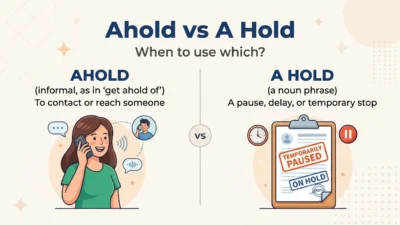
confusing words and ideoms9 Min Read Adam AdamonOctober 27, 2026 Ahold vs A Hold: Meaning, Difference and Examples “Ahold” and “a hold” look similar, but they are used differently in English. Ahold is commonly used in the expression “get ahold of,” which… Discover More
confusing words and ideoms9 Min Read Charles KevinonOctober 27, 2026 Babe in the Woods: Simple Meaning, Origin and Clear Examples “Babe in the woods” is an English expression used to describe someone who is innocent, inexperienced, or unfamiliar with a particular… Discover More
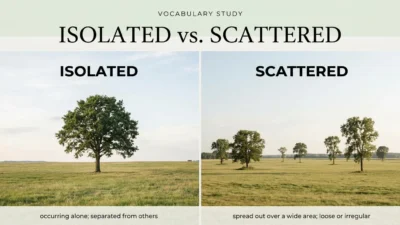
confusing words and ideoms10 Min Read Lucas LukeonOctober 27, 2026 Isolated vs Scattered: Meaning, Differences, and Examples “Isolated” and “scattered” are two English words that describe things separated from others, but they are not interchangeable in every… Discover More
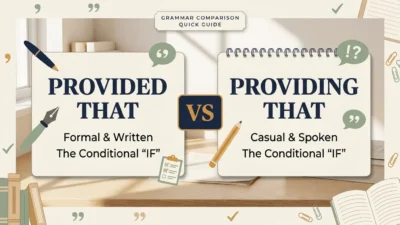
confusing words and ideoms9 Min Read Adam AdamonOctober 27, 2026 Provided That vs Providing That: Meaning, Difference & Examples “Provided that” and “providing that” are two English expressions used to describe a condition that must be met for something to happen. They… Discover More
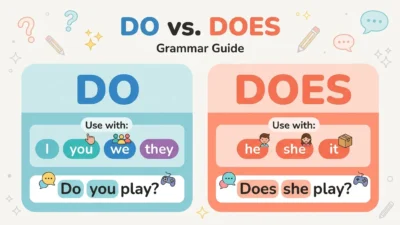
confusing words and ideoms8 Min Read Charles KevinonOctober 27, 2026 Do vs. Does: Simple Meaning, Grammar Rules and Examples Are you confused about when to use do and does in English? Both words are forms of the verb do, and they are commonly used to ask questions,… Discover More